By Steve Phillips
Reflections from the opening of the Obama Presidential Center—where the art was stunning and the history was honored, but the fighters who made it all possible, and the fight we are in right now, were largely absent.
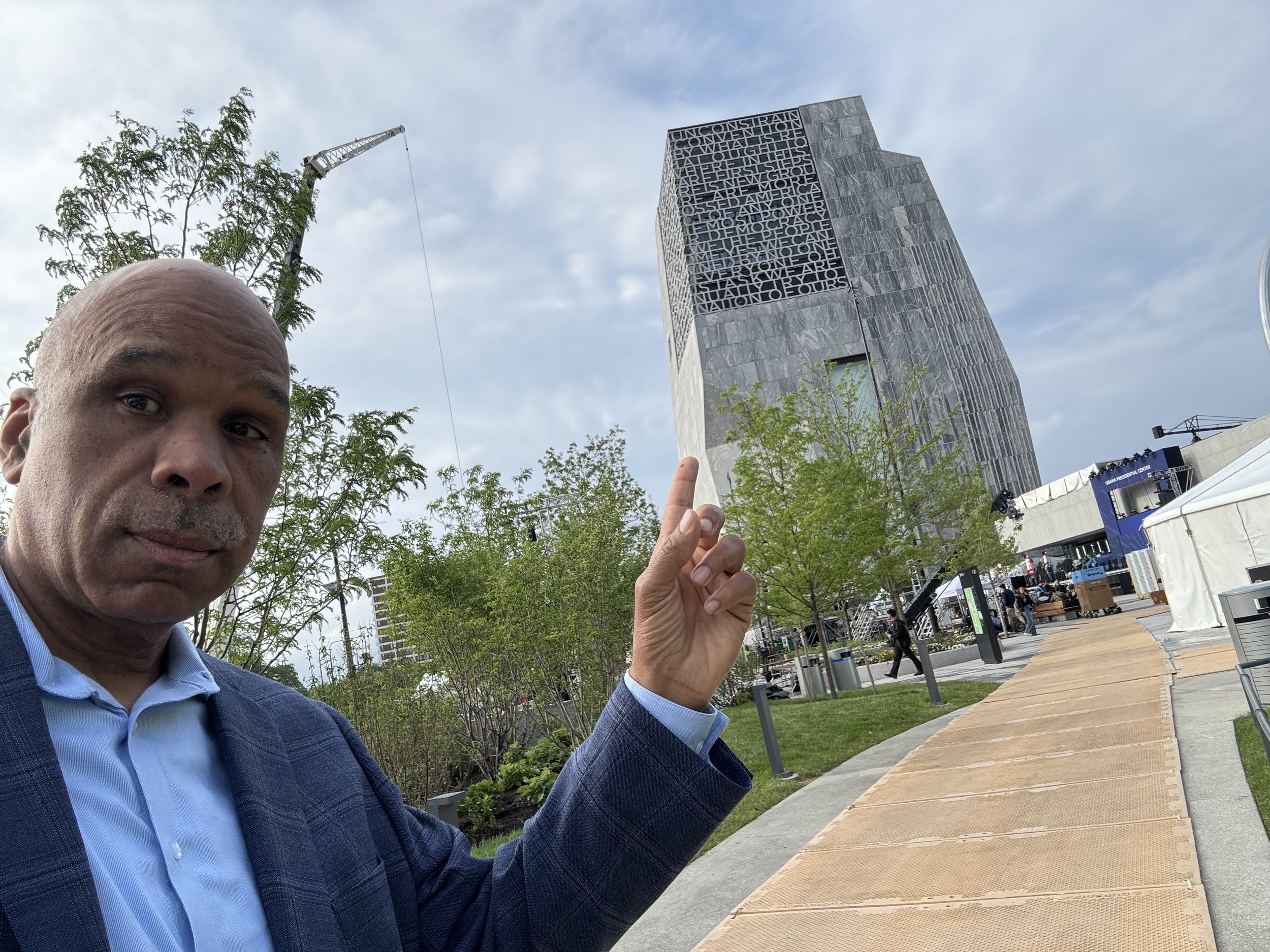
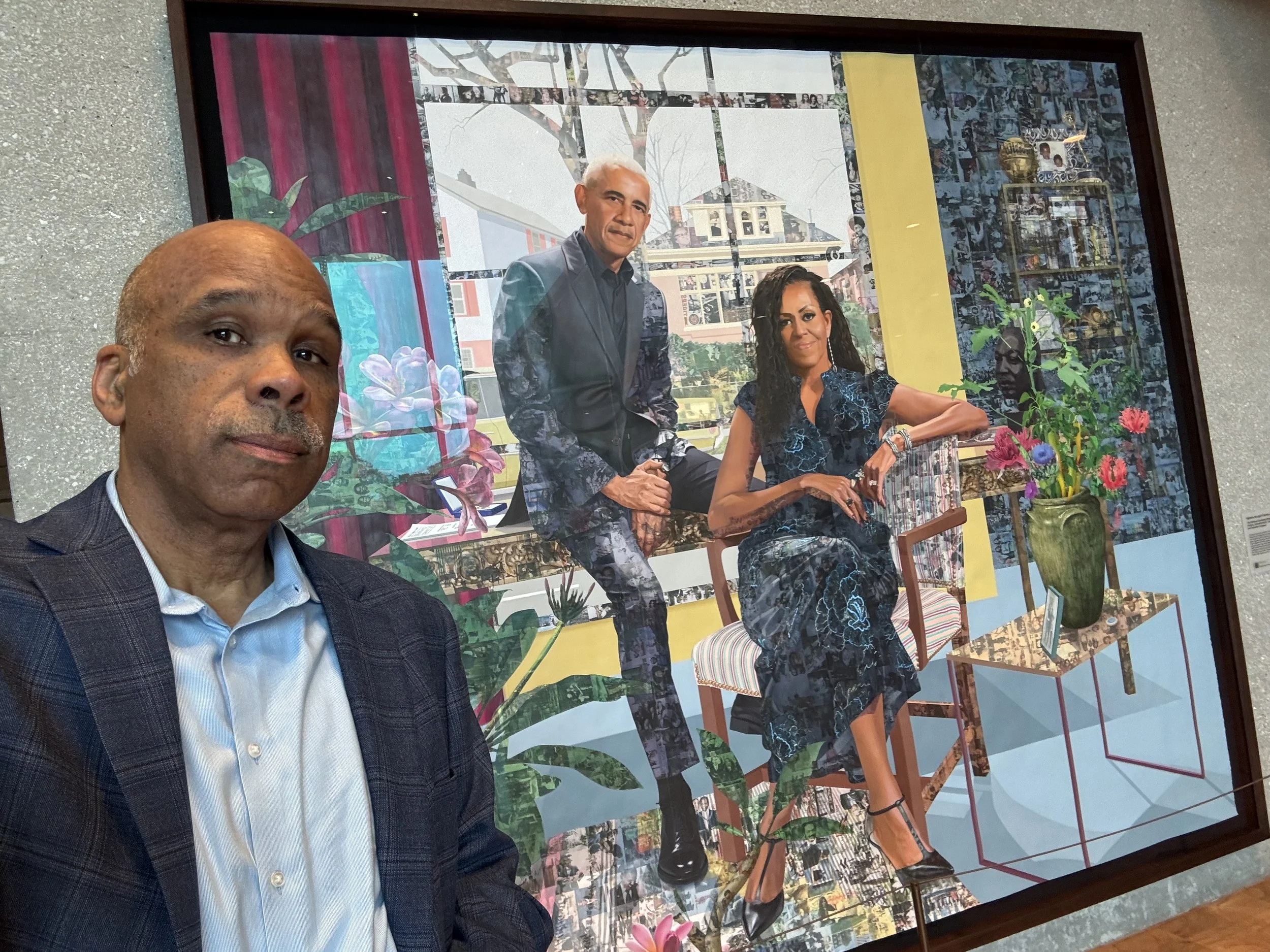
Last week I spent a few days in Chicago for the opening of the Obama Presidential Center. I took in the speeches and the music, marveled at the architecture, and lingered over the extraordinary art commissioned and woven throughout the building. Common and The Roots and Stevie Wonder filled the air. It was, by any measure, a beautiful and moving celebration.
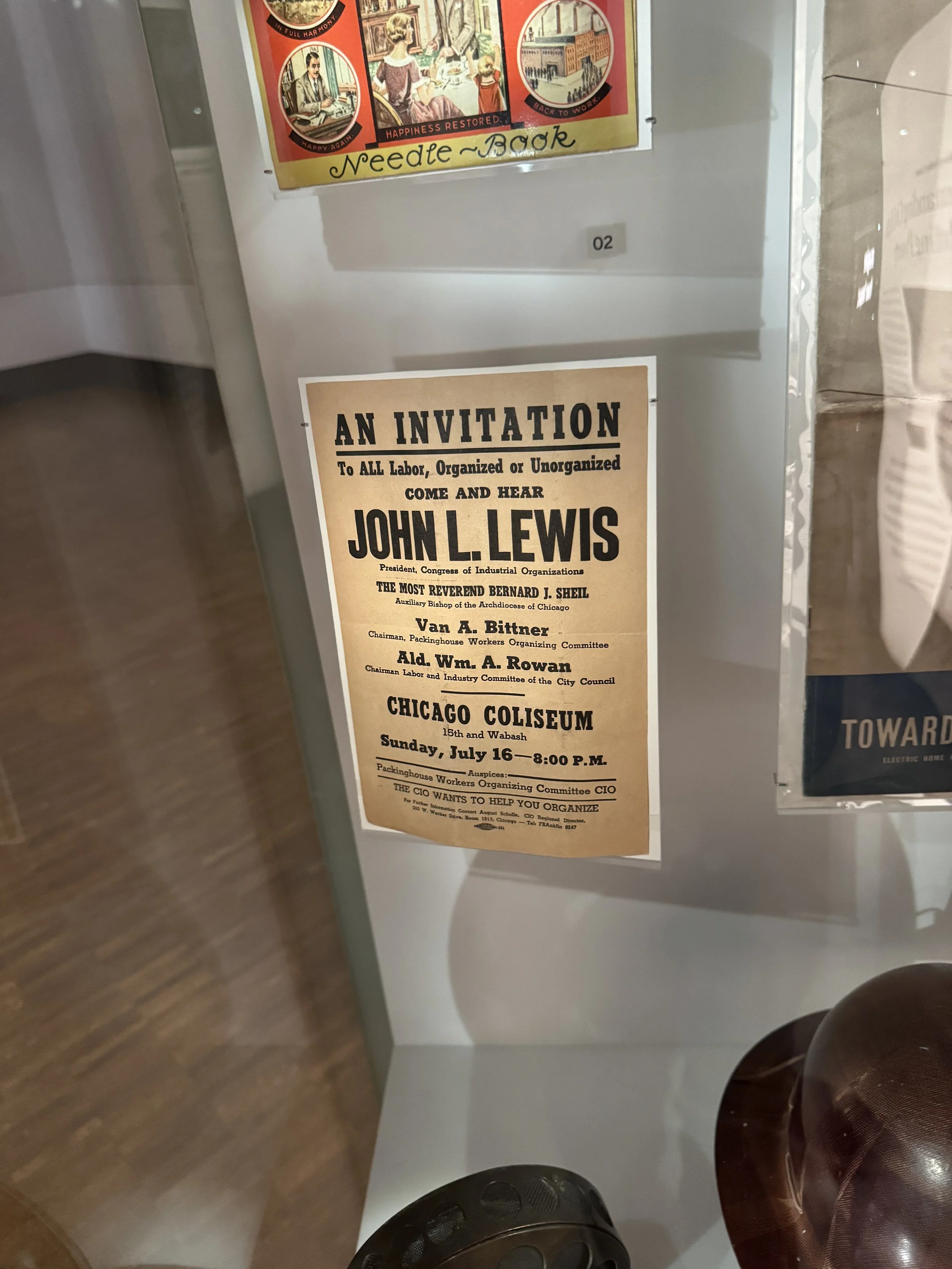
And yet I came away turning over a single question in my mind: What is legacy? A presidential center exists to preserve and distill the essence of a presidency. So as I walked through the exhibits and the archives, I kept asking myself what, exactly, was being preserved—and what was being left out.
It mattered that I was asking this question in Chicago. Because Chicago is not only the city of Barack Obama. It is also the city of Jesse Jackson, who passed away just a few months ago. The Jackson campaigns were formative for me, the beginning of my own political education, and the Center rightly includes Reverend Jackson in its account of the history (Reverend was the highest runner-up of any Democrat to that time in history). As I wrote in Brown Is the New White, to get from Martin Luther King Jr. in 1968 to the election of the first Black president in 2008, you needed Jesse Jackson in 1988. He was the bridge—from the movement and the crusade for the beloved community to “hope and change.”
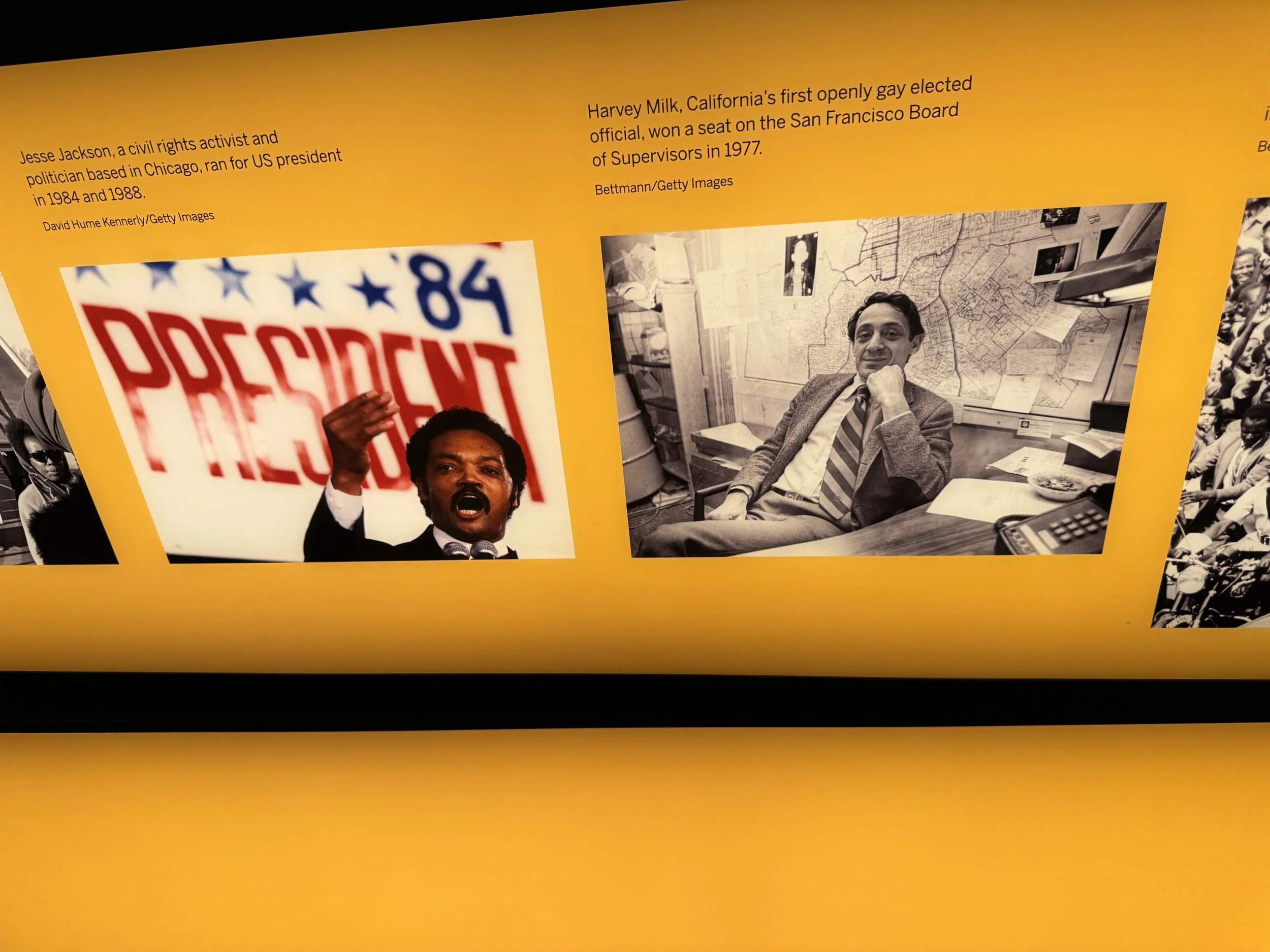
It is worth remembering what Jackson’s legacy actually was, because it tells us something about the legacy now enshrined on the South Side. First, he rooted his campaign in the long freedom struggle. At the 1988 convention in Atlanta, he reminded the country that we are all standing on someone’s shoulders, and he brought Rosa Parks to the podium to make the point literal. He spoke of Dr. King buried not far from the convention hall. He carried that movement and that energy onto the national stage on purpose.
Second, he embraced and elevated the fiercest fighters. He celebrated Fannie Lou Hamer. He made Aaron Henry—who had stood with Hamer and the Mississippi Freedom Democratic Party in 1964 to challenge an all-white delegation and the party’s complicity with white supremacy—the head of his Mississippi delegation. He identified openly with Malcolm X. After the 1984 convention in San Francisco, I was in the basement of the Hyatt on Union Square when he told his supporters that we have never won freedom at a convention. “A convention,” he said, “is a comma, where you pause and then go on. We will keep fighting at the ballot box, in the courts, and in the streets. Freedom–By Any Means Necessary.”
Third, he built on the organizing that already existed—the churches, the labor unions, the community groups, the people who had been in the trenches for decades. And fourth, he inspired a whole generation to carry the struggle for justice into the arena of electoral politics, and to show what happens when you organize and unleash the multiracial majority that he called the Rainbow Coalition: the old minorities, joining together, becoming a new majority.
Jackson learned much of this from Harold Washington’s historic campaign when e was elected the first Black mayor of Chicago in 1983. Washington refused to enter the race until organizers had registered 100,000 new Black voters. Then those voters turned out at historic levels, and he won—narrowly, and against ferocious racist backlash, in a city with almost no Republicans. The lesson was unmistakable: you build power by registering, organizing, and inspiring people, and then you turn them out. Those reforms that expanded and diversified the electorate, the new delegate-selection rules Jackson fought for, and the cracking of the psychological ceiling around a Black president—all of it paved the path that Obama would later follow. It is why Jackson stood in Chicago’s Grant Park on election night 2008 with tears streaming down his face.
That is the history I carried into the Center. And it is the source of my mixed emotions.
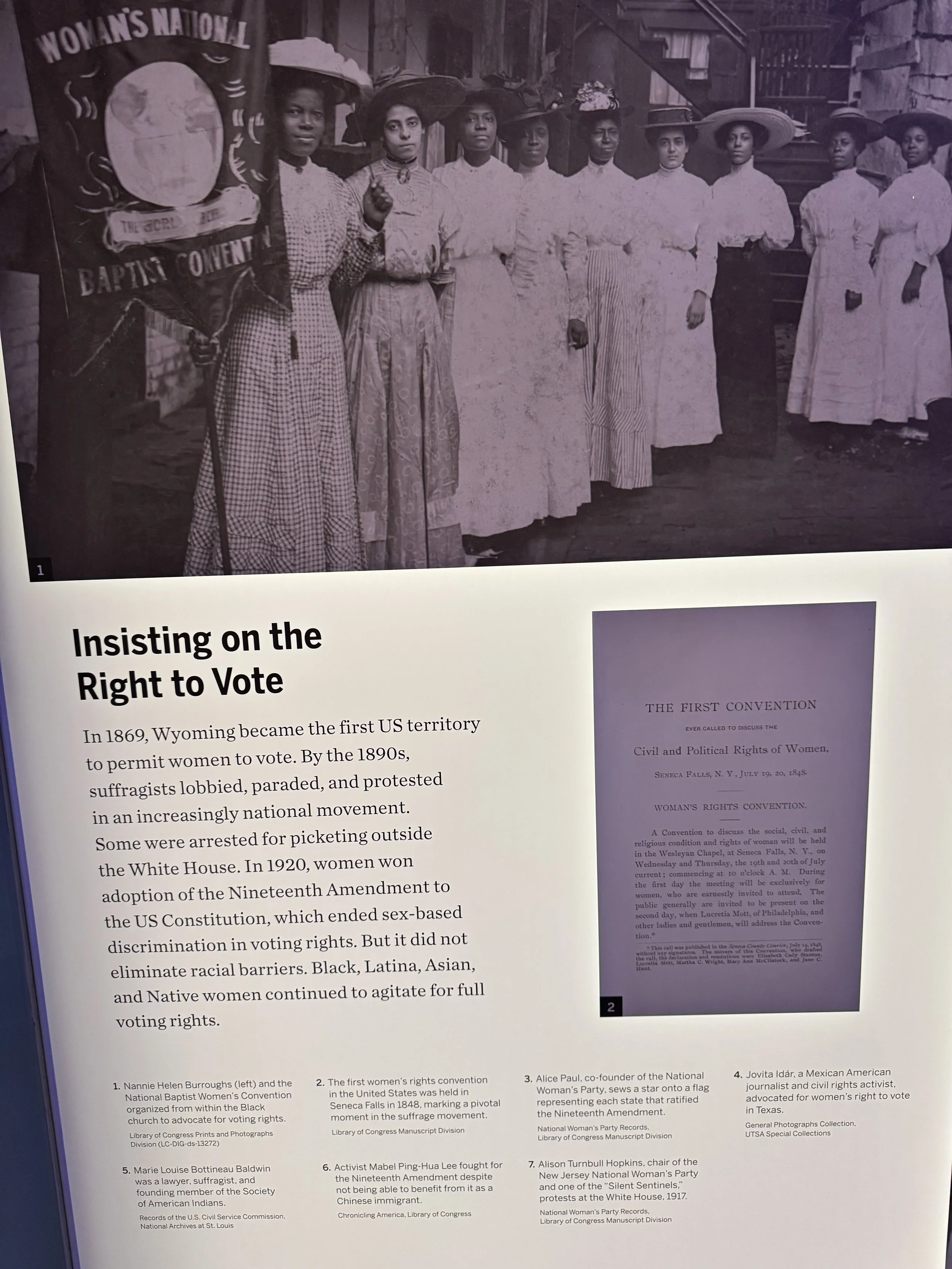
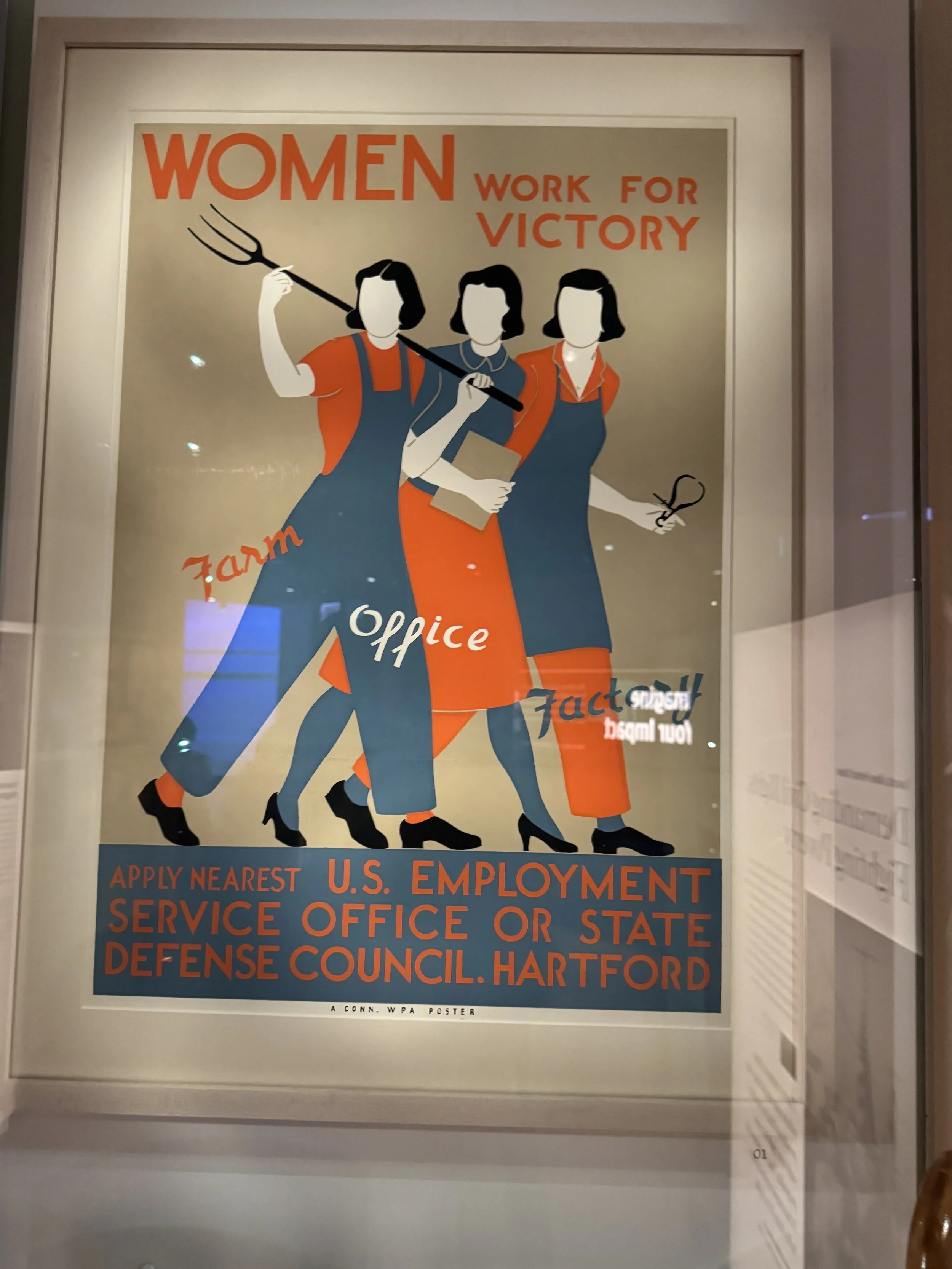
The Center’s honoring of the movement is real and admirable—the civil rights struggle, labor, the suffragists, the New Deal, all elevated and connected through the art. But as I moved through the building, I noticed who was there and who was not. The professionals and technicians were well represented. The fighters were harder to find. Where is Fannie Lou Hamer? Where are the organizers who knocked the doors and registered the voters and ran for local office? The uncomfortable truth, told plainly, is that Obama was a president elected by a movement—but he did not invest in that movement, and he did not define the battle.
The writer Ta-Nehisi Coates recently put his finger on the deeper problem. Obama, he observed, did not see the vulnerability of what he had built. It is so much harder to build things than to destroy them. Obama assumed the norms would hold, that the country prefers optimism, that the worst could not actually win. So he governed as if the gains were permanent. And we—all of us who were inspired by that era—made the same mistake. We underestimated the ferocity of the backlash to the first Black president. The warning was there: the Department of Homeland Security flagged the rise of right-wing domestic terrorism in 2008, a warning that was promptly squashed by those who did not want to acknowledge its intensity. We mistook progress for protection, and we failed to build and fortify the power needed to defend what we had won.
What I missed most, though, was a naming of this moment. There was little explicit reckoning with the assault on the pillars of democracy now underway—the rewriting of history, the immigration crackdown, the open hostility to the project of multiracial democracy, and the persistence of straight white American male preference in our institutions. The silence on the fight we are actually in was, to my ears, louder than the eloquence of the performances. The role of the artist, from Langston Hughes to Amiri Baraka to Margaret Walker, has always been to meet the moment and summon people to it. Fannie Lou Hamer responded to the challenges of her day. Would she have been welcomed here? In the years before the Nazis took power, some people warned of the danger. The question was always whether anyone would listen.
But we also need to be careful, because the easy move is to lay all of this at the feet of one man, and that move is itself a trap. The great-man theory of history—the wish that we could simply find another King, or that one president could carry the whole weight of justice—is exactly the thinking we have to resist. Obama made enormous sacrifices to govern and to advance the larger cause. It would be as wrong to put the responsibility for this moment on him and his family as it would be to imagine that any single leader could save us.
The real lesson of legacy runs the other way. If we look at the Obama era with the clear eyes of history, we see that it was made possible by the organizers, door-knockers, and those who ran for local office and won control of governments and changed public policy to meet the needs of all the people. That is what created the conditions for hope and change. If we understand that, then the urgent question is not what the Obama Center is failing to do, it is what we are doing?
What are we doing to name this moment and define the fight? To find and back the fiercest fighters and most tenacious organizers of our own day—the contemporary Fannie Lou Hamers and Dolores Huertas and Yuri Kochiyamas—and to put our time, talent, ties, and treasure behind them? To reinvest in and reinvigorate the very movement that Jackson came out of, helped strengthen, and that ultimately elected Obama? That is the work. Not waiting for federal power to be restored from above, but building it again from the ground up.
In the end, a legacy is not a building. It is the difference we make in one another’s lives—who we touch, what we encourage, what gets carried on after us. Each of us can leave one. King spoke of power as the means of implementing the demands of love and justice. That is the imperative of this moment, and it is what I took away from my walk through history on the South Side of Chicago.
Keep hope alive.